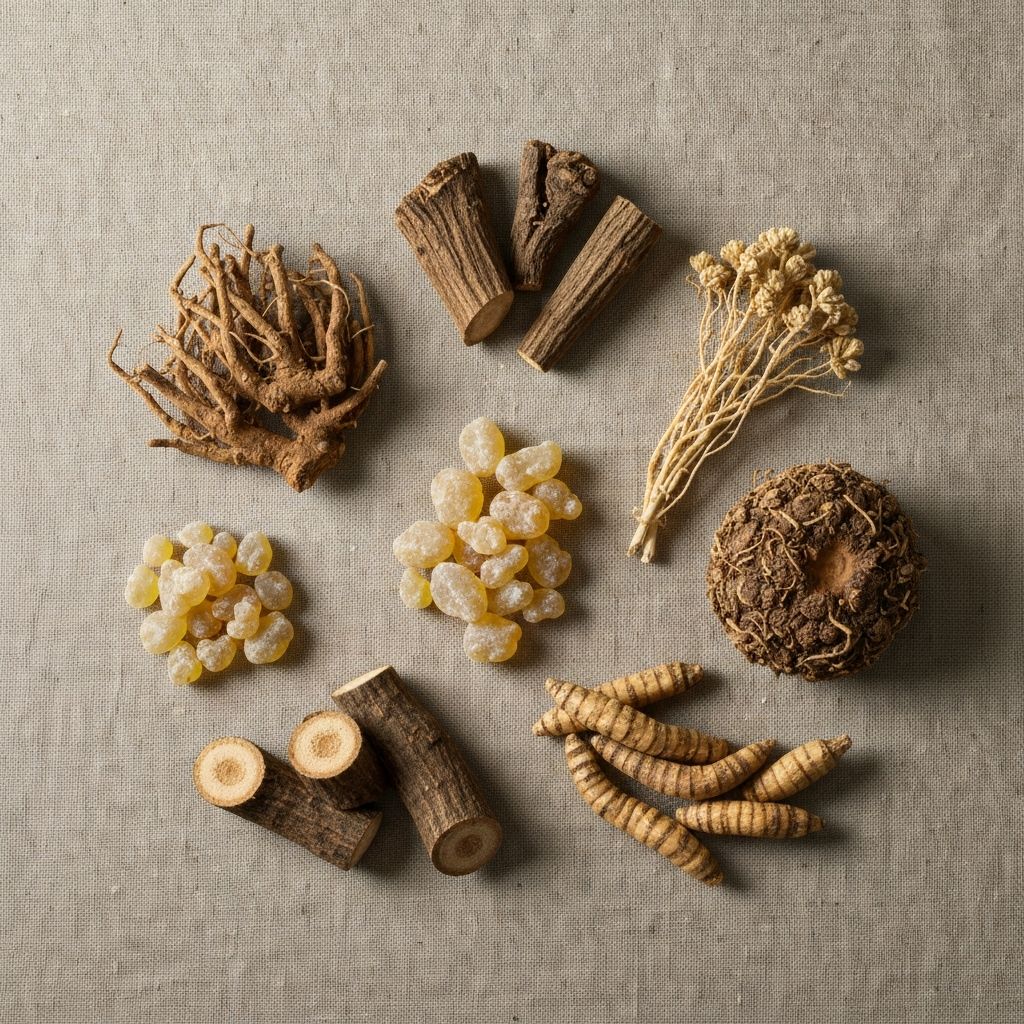
Plant-Derived Compounds & Nutrients
Comprehensive educational resource exploring botanical materials and their traditional contexts
Introduction to Plant-Based Compounds
This resource presents factual, educational information about selected plant-derived compounds and nutrients. The materials discussed represent substances documented in ethnobotanical practices and scientific literature, presented in neutral, informational context without claims of therapeutic outcomes.
Our focus is on botanical materials as they appear in published research and traditional knowledge systems. Each entry includes scientifically-referenced information and factual descriptions of phytochemical composition, geographic origins, and documented traditional uses.
Boswellia serrata Resin Profile
Botanical Overview
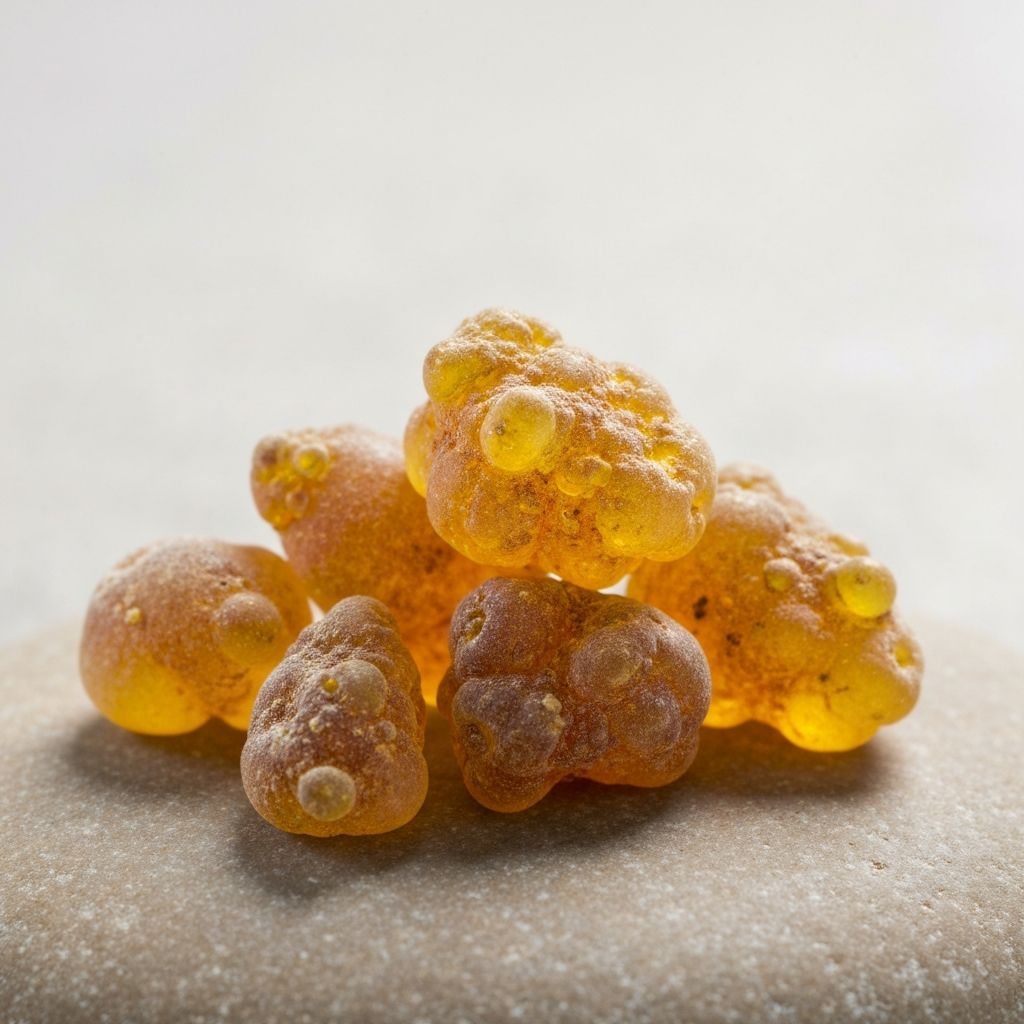
Boswellia serrata is a flowering tree native to arid regions of the Indian subcontinent and the Middle East. The tree produces a fragrant resin through natural tapping of the trunk. Traditional use of Boswellia resin spans centuries in Ayurvedic and Middle Eastern practices.
Key Constituents
The resin contains a complex mixture of compounds, with boswellic acids forming a significant component. These include 11-keto-beta-boswellic acid (KBA) and other pentacyclic triterpenes that are documented in scientific literature.
Traditional Context: Used in Ayurvedic formulations and Middle Eastern incense practices for centuries.
Withania somnifera (Ashwagandha) Overview
Plant Profile
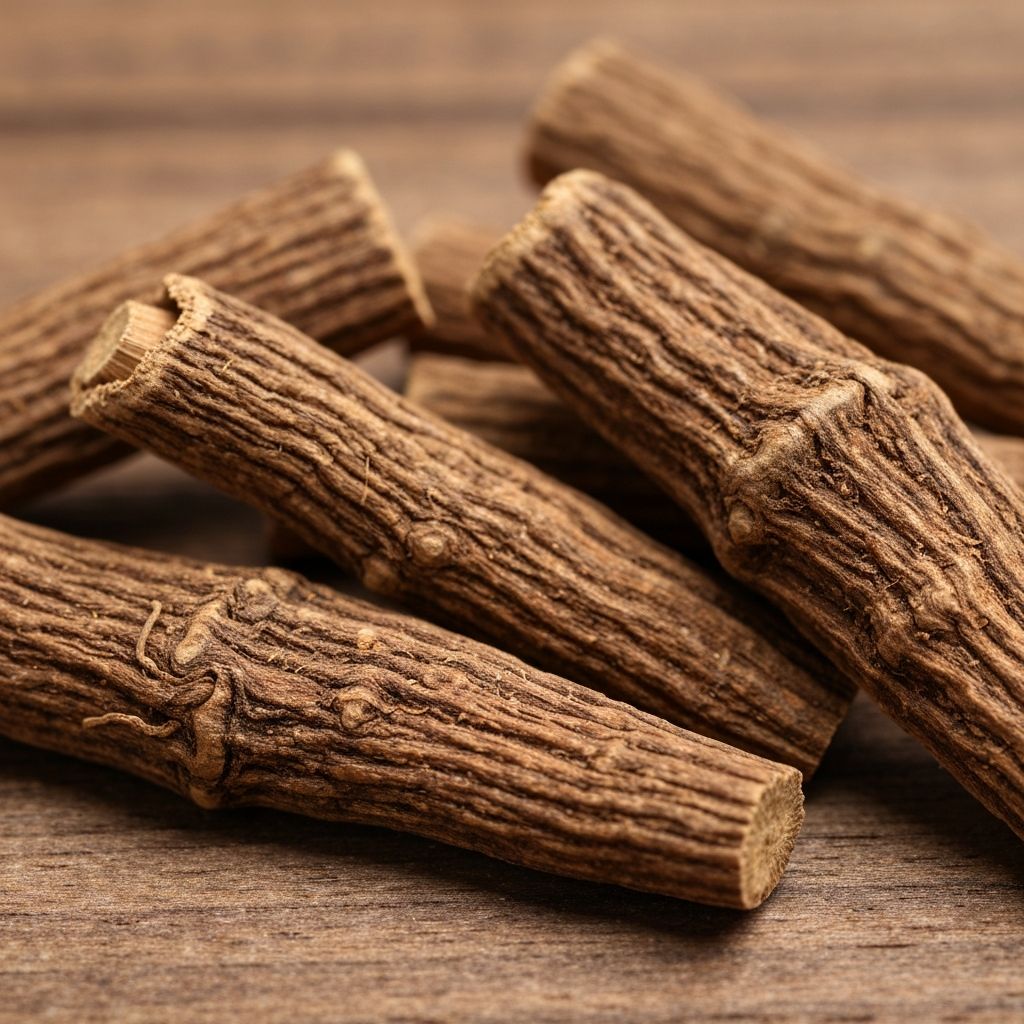
Withania somnifera, commonly known as ashwagandha or Indian ginseng, is a small woody plant native to India and Southeast Asia. The root is the part traditionally used in Ayurvedic medicine and appears extensively in published scientific studies.
Phytochemical Composition
The root contains withanolides, a class of steroidal lactones unique to the Withania genus. Research examines the chemical structure and stability of these compounds across different plant parts and growth stages.
Historical Context: Featured in Ayurvedic texts for thousands of years as a foundational adaptogenic herb in traditional systems of medicine.
Curcuma longa and Curcuminoids
Rhizome Description
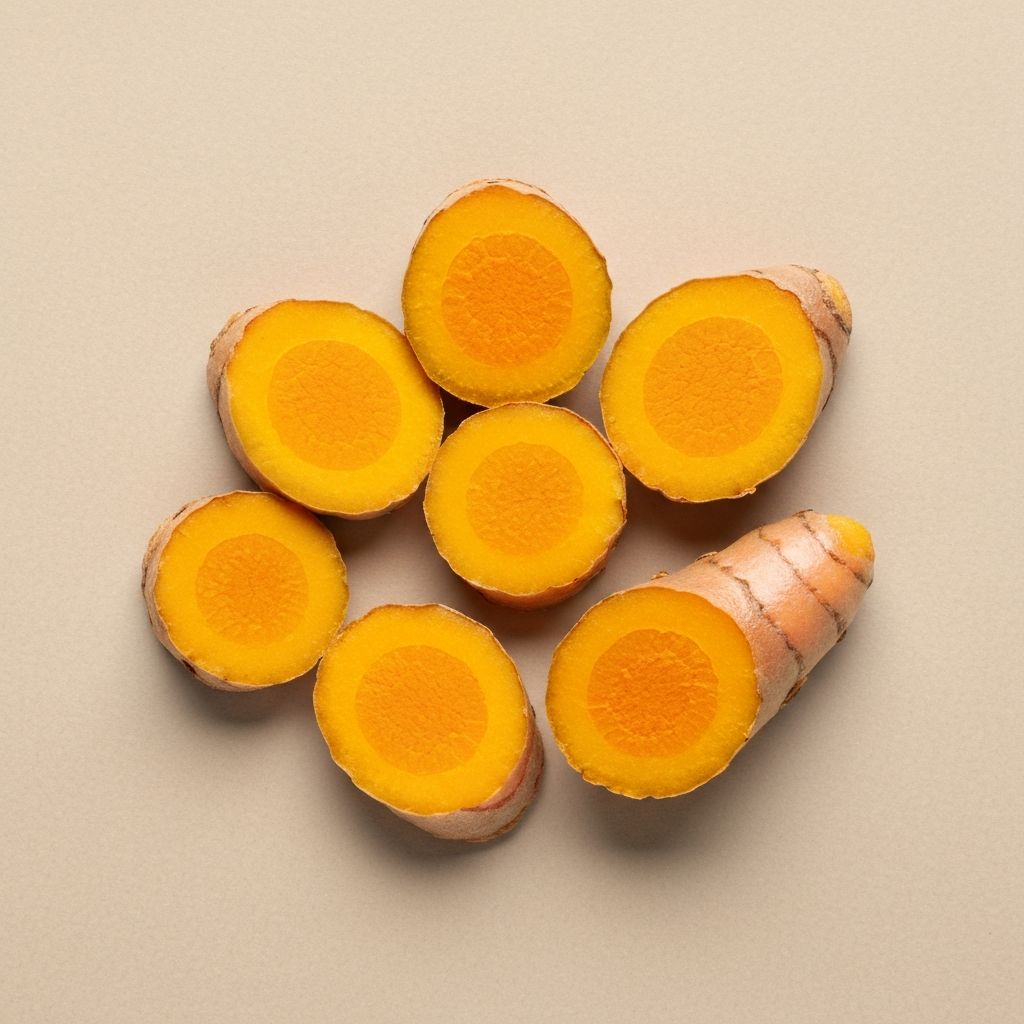
Curcuma longa, the turmeric plant, produces an underground rhizome with distinctive golden-yellow color. Native to South Asia and Southeast Asia, the rhizome has been used for millennia in culinary and traditional medicine applications.
Active Compounds
The primary bioactive constituents are curcuminoids, including curcumin, demethoxycurcumin, and bisdemethoxycurcumin. These polyphenolic compounds are the focus of extensive in-vitro and animal research examining chemical interactions.
Culinary and Traditional Use: Turmeric is a fundamental spice in South Asian cuisine and appears in Ayurvedic and Traditional Chinese Medicine formulations.
Other Relevant Plants in Ethnobotanical Records
Urtica dioica (Nettle): Documented in European and Asian traditional medicine. The leaf contains minerals including calcium, magnesium, potassium, and trace minerals. Historical records show use in herbal teas and preparations.
Pinus pinaster (Maritime Pine): The bark extract, known as Pycnogenol, contains proanthocyanidins. Used in Mediterranean traditional practices and featured in published research examining plant polyphenol composition.
Mineral Considerations: Plant-derived zinc and other trace minerals occur naturally in various botanical materials and are documented in nutritional research contexts.
Phytochemical and Nutrient Comparison Overview
| Plant / Compound | Primary Constituents | Research Focus | Traditional Context |
|---|---|---|---|
| Boswellia serrata | Boswellic acids, volatile oils, gum | Pentacyclic triterpenes, chemical composition analysis | Ayurveda, Middle Eastern traditional use |
| Withania somnifera | Withanolides, steroidal lactones | Alkaloid profiles, chemical standardization | Ayurvedic adaptogenic herb for centuries |
| Curcuma longa | Curcuminoids, volatile oils, fiber | Polyphenol structures, bioavailability studies | South Asian culinary and medicinal use |
| Urtica dioica | Minerals (Ca, Mg, K), chlorophyll, silica | Mineral content, phytochemical profiles | European traditional herbal medicine |
| Pinus pinaster | Proanthocyanidins, phenolic compounds | Antioxidant capacity, polyphenol analysis | Mediterranean folk medicine traditions |
Research Literature Summaries
Published scientific literature encompasses in-vitro, animal, and observational human studies examining plant constituents. Below are representative research topics documented in peer-reviewed sources.
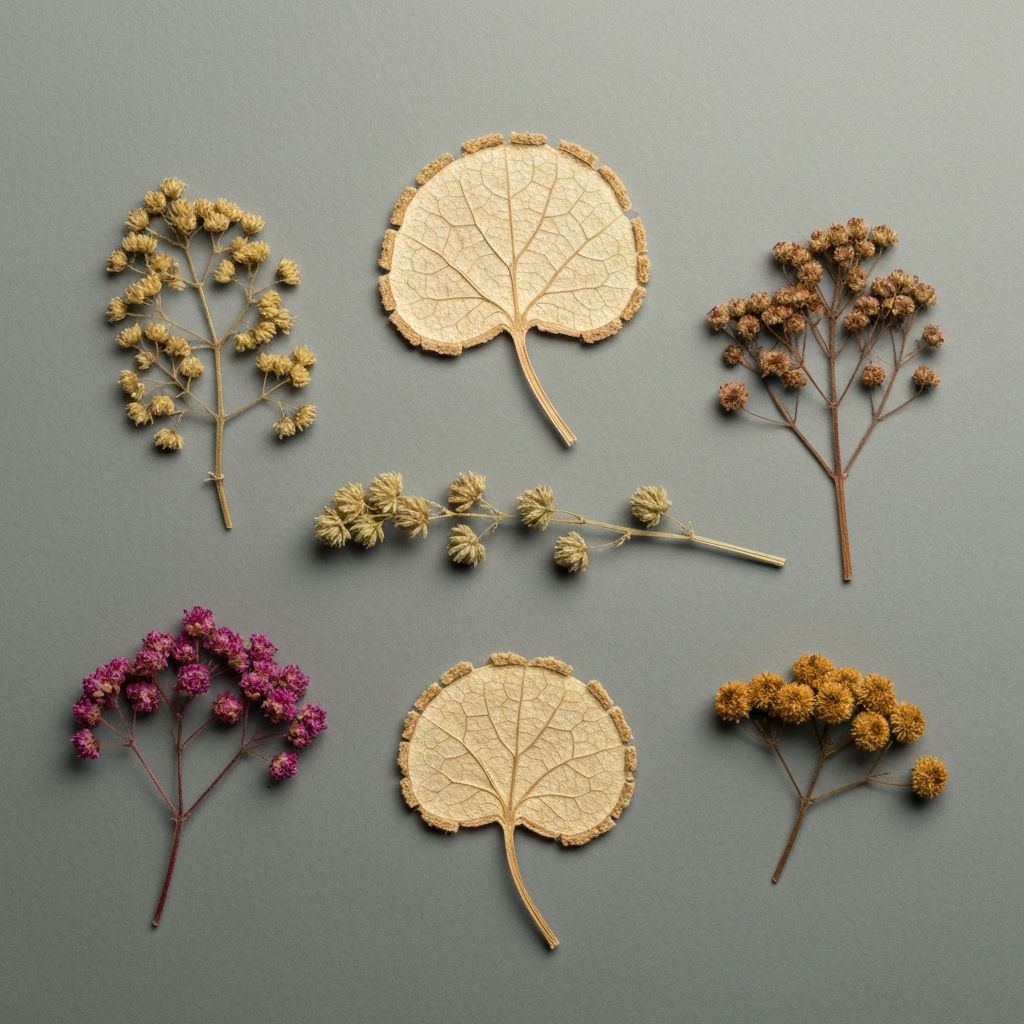
Boswellic Acid Composition Studies
Multiple in-vitro and animal studies examine boswellic acids from Boswellia serrata resin, analyzing chemical structures and cellular mechanisms through laboratory research methodologies.
Research Type: In-vitro and preclinical animal studies
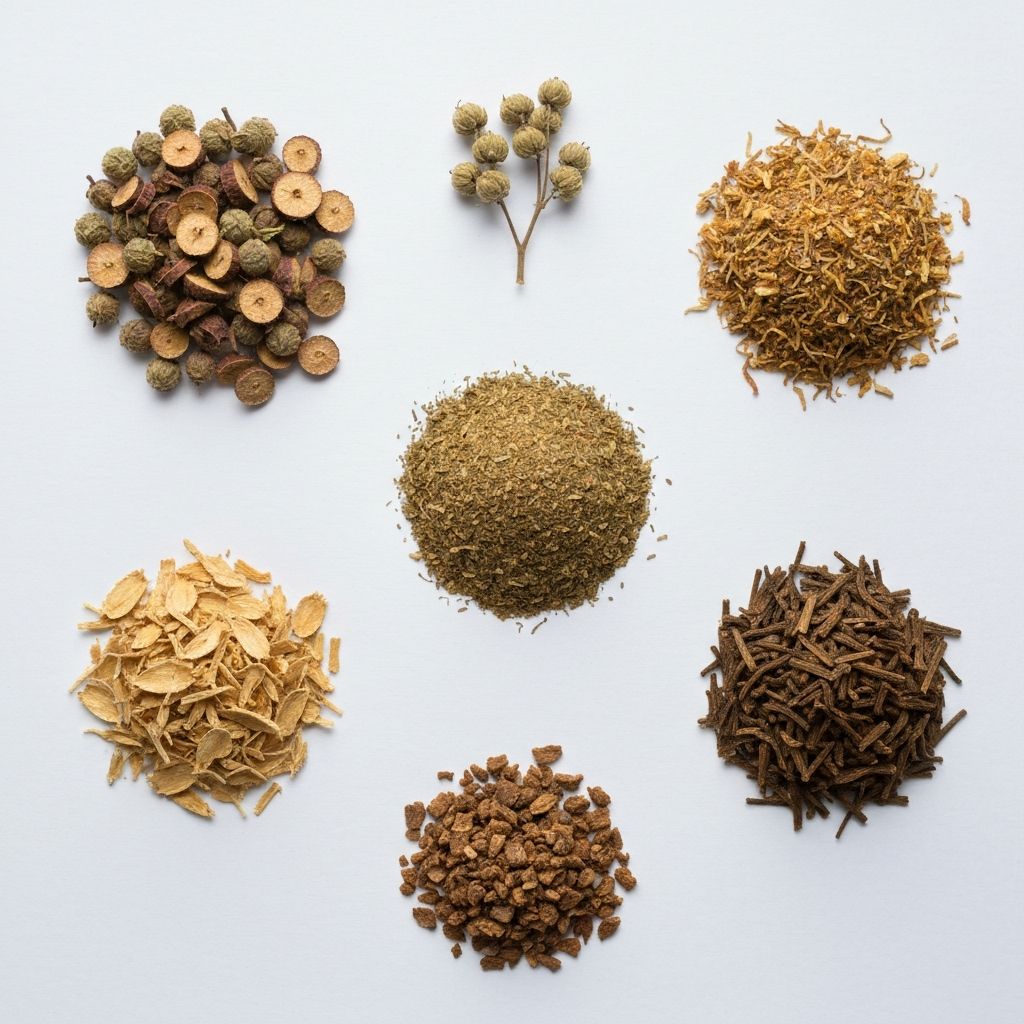
Curcuminoid Bioavailability Research
Observational and experimental studies explore curcuminoid absorption and metabolism. Research includes examination of standardized extract composition and chemical stability across processing methods.
Research Type: In-vitro, animal, and human observational studies
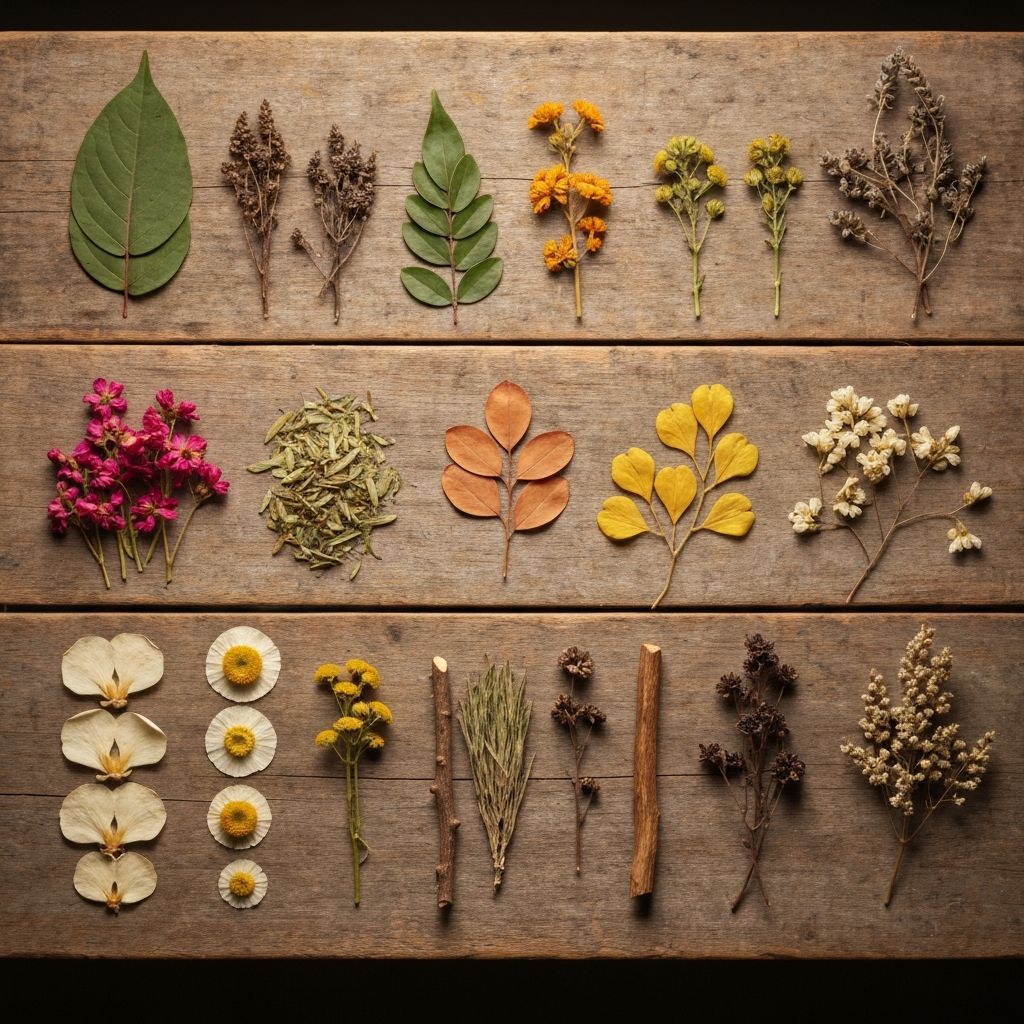
Withanolide Analysis and Standardization
Scientific examination of Withania somnifera withanolide content across cultivation conditions, harvest timing, and extraction methods. Literature includes analytical chemistry research on compound profiles.
Research Type: Analytical chemistry and agricultural research
Geographical and Cultivation Notes
Geographic Origins and Growing Conditions
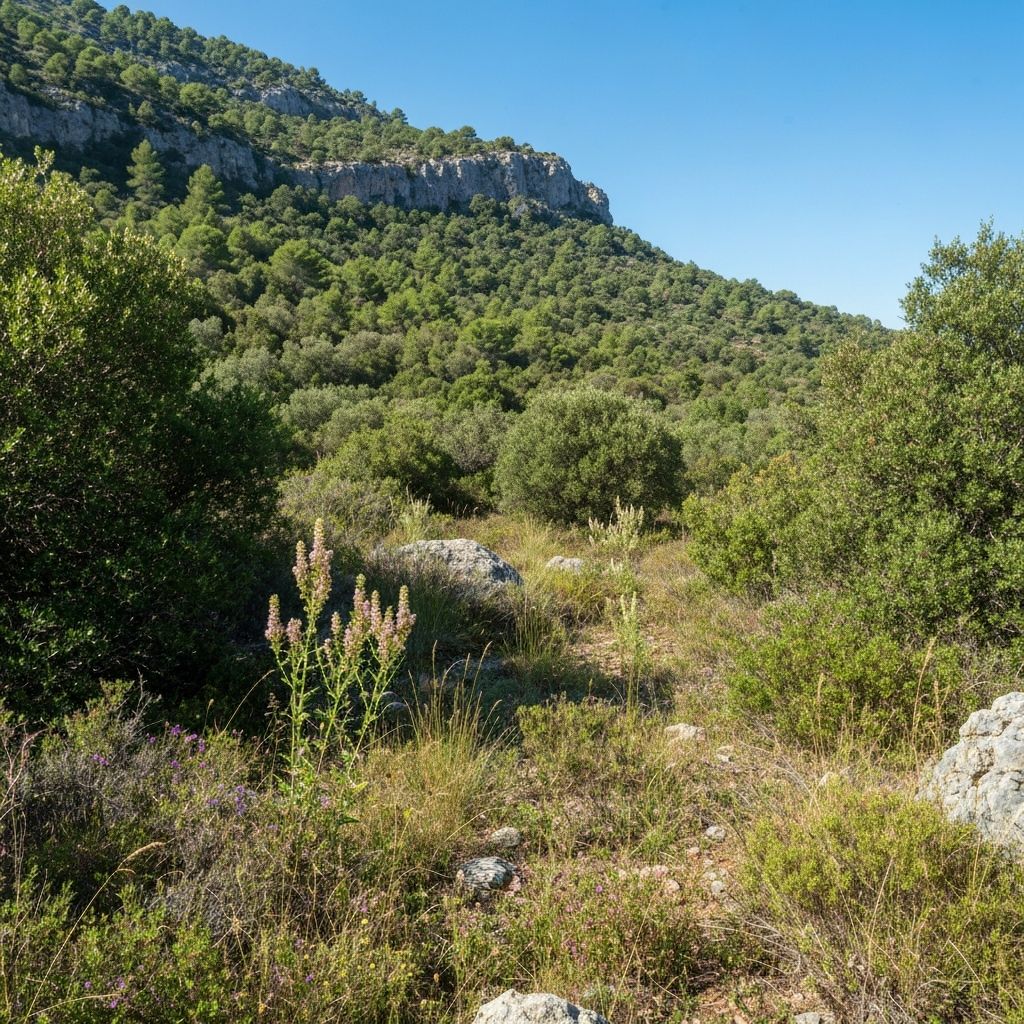
Boswellia serrata: Native to the dry mountainous regions of India, particularly in Rajasthan and Madhya Pradesh, and across the Arabian Peninsula. The tree thrives in arid climates with minimal rainfall and rocky, well-drained soils.
Withania somnifera: Indigenous to the arid regions of India and the Mediterranean. Modern cultivation occurs across India, Nepal, and select regions globally. Prefers warm, dry conditions with moderate sunlight.
Curcuma longa: Originated in South Asia with greatest cultivation in India, which produces approximately 80% of global supply. Requires tropical climate with adequate moisture and warm temperatures for optimal growth.
Frequently Asked Questions
This resource provides educational information about selected plant-derived compounds and nutrients documented in scientific literature and ethnobotanical traditions. The material is presented for informational purposes only and does not constitute medical advice.
This resource summarizes existing scientific literature, which includes in-vitro, animal, and observational human studies. Individual study results vary, and published research does not constitute proof of efficacy in all contexts or populations. Consult scientific literature and qualified professionals for comprehensive understanding.
In-vitro (laboratory) studies examine chemical interactions and mechanisms at the cellular level. Animal studies test compounds in living organisms. These research types provide foundational knowledge but do not directly translate to human outcomes. Further human research is typically required.
This is educational material for general knowledge about botanical compounds and their traditional uses. It is not intended to diagnose, treat, prevent, or cure any condition. Individual circumstances vary widely. Always consult with qualified healthcare professionals before making any health-related decisions.
Standardized extracts are processed botanical materials adjusted to contain verified amounts of key active compounds. Standardization ensures consistency in chemical composition across batches. Research often examines specific standardized forms, not raw plant materials.
Sourcing varies by plant species and supplier. Processing methods include drying, grinding, extracting with solvents, and concentration. Different processing methods yield different chemical profiles and potency levels, which is why research specifies exact materials used.
Related Botanical Topics
Polyphenol Research
Scientific examination of polyphenolic compounds across plant kingdom, including antioxidant mechanisms studied in laboratory settings.
Explore ResearchEthnobotanical Traditions
Historical and contemporary documentation of plant use in traditional medicine systems including Ayurveda, Traditional Chinese Medicine, and European herbalism.
View ContextNutrient Bioavailability
Research on how plant-derived minerals and nutrients are absorbed and utilized by the human body, including factors affecting absorption rates.
Learn MoreLimitations and Context
Educational Information Only
This website presents general educational botanical and nutritional information drawn from published scientific literature and historical records. The content is not:
- Medical advice or professional health guidance
- A substitute for consultation with qualified healthcare professionals
- Intended for diagnosis, treatment, prevention, or cure of any condition
- A guarantee of any particular outcome or benefit
- Applicable to all individuals—physiology varies significantly
Individual responses to any botanical material or nutrient vary based on genetics, health status, medications, age, and numerous other factors. What is documented in research may not apply to your specific situation.
Required Action: Before making any health-related decisions regarding diet, supplements, or lifestyle changes, consult with a qualified healthcare professional who understands your individual health history.
Educational content only. No promises of outcomes.
This resource is maintained as an independent educational reference on plant-derived compounds and nutrients.